
The Philippine Navy (PN) on Monday said it is committed to improving its “anti-submarine warfare” (ASW) capabilities as part of its efforts to safeguard the country’s “sea lines of communications.”
“Sea lines of communication” refers to primary maritime routes between ports used for trade, logistics, and deployment of naval forces.
Improving the PN’s ASW capabilities is also a “fundamental component of a modern, multi-domain and self-reliant maritime defense strategy,” PN public affairs office chief Captain Marie Angelica DC Sisican told the Philippine News Agency.
“The ability to independently detect, track, and respond to undersea threats is important for safeguarding sea lines of communication, defending territorial waters, and ensuring the survivability of naval forces during operations,” she added.
Sisican said this is now being done with the development of an organic ASW capability that encompasses shipboard systems, naval aviation, and fixed undersea sensors to ensure the protection of the country’s maritime domain.
“Based on ASW concepts, effective ASW requires coordinated and persistent capabilities to counter the inherent advantages of submarines,” she stressed.
The PN public affairs office chief added that an organic ASW capability also enables “timely action without reliance on external support to form a layered defense through the integration of surface, air, and subsurface sensors and weapons.’
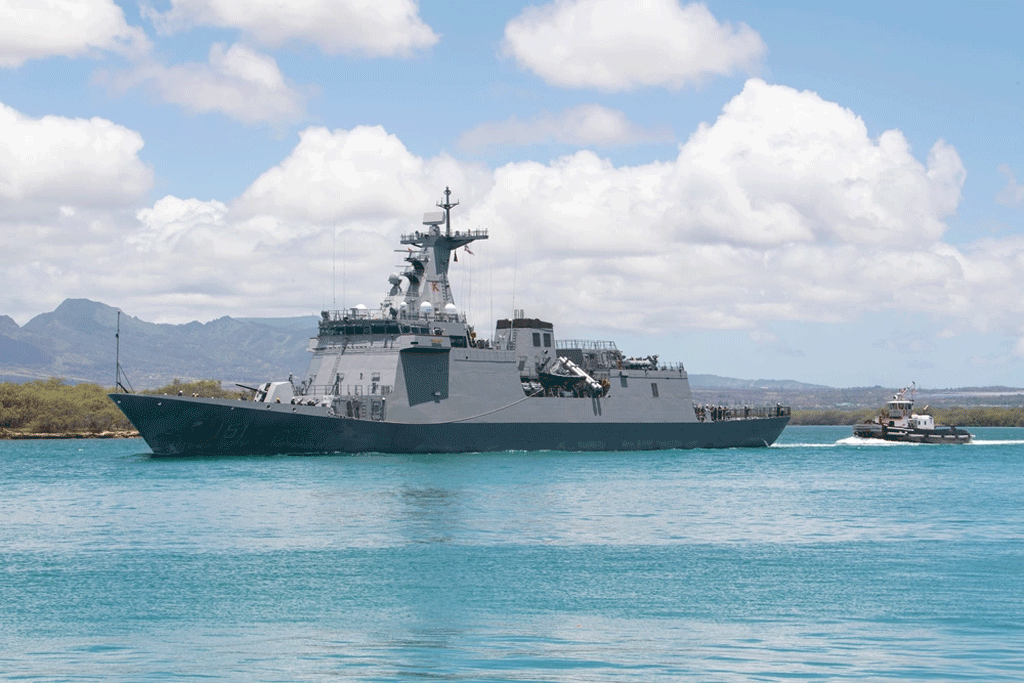
This development is highlighted by the acquisition of naval assets with ASW capabilities like the Jose Rizal-class guided missile frigates, the larger Miguel Malvar frigates, AW-159 “Wildcat” ASW helicopters, and six brand-new offshore patrol vessels, which are now in the process of being delivered to the PN, and other equipment and weapons platforms dedicated to anti-submarine operations.
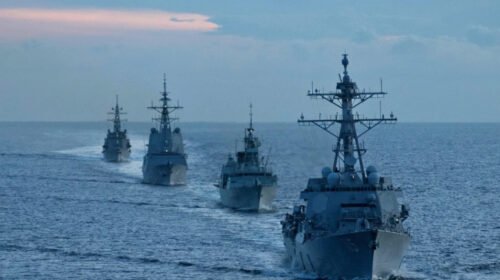
During the recently concluded “Balikatan” exercises, the PN, along with other participating navies, demonstrated its ASW capabilities and interoperability as they detected and tracked a subsurface contact under realistic conditions within the exercise area in the West Philippine Sea.
This took place during the “multinational maritime events” (MME) of the Balikatan from April 20 to May 1.
The detection was made during the “anti-submarine warfare exercise” of the MME, which included PN vessels BRP Antonio Luna (FFG-15) and BRP Miguel Malvar (FFG-6), JS Ikazuchi (DD-107), HMAS Toowoomba (FFH-156), HMCS Charlottetown (FFH-339), and USCGC Midgett (WMSL-757).
The PN said the activity reflected increasingly complex and operationally relevant training designed to prepare naval forces for evolving maritime challenges while reinforcing cooperation and adherence to international law.