
By Ole Henckel
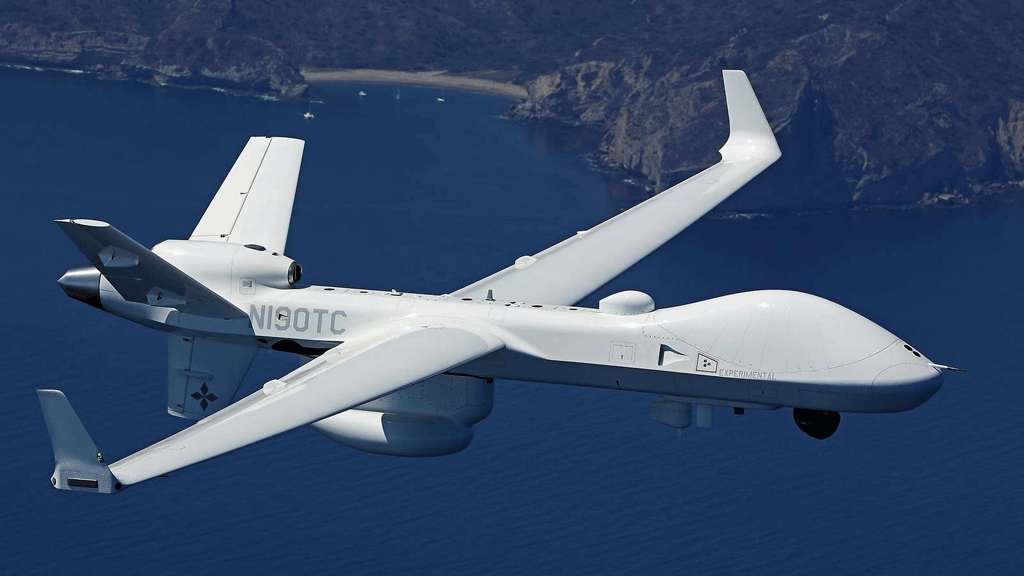
The German Armed Forces ordered eight MQ-9B drones January 12 from General Atomics. The unmanned aerial vehicles are primarily being procured for use over water and will be deployed by the naval air arm. The Navy will receive the first systems starting in 2028.
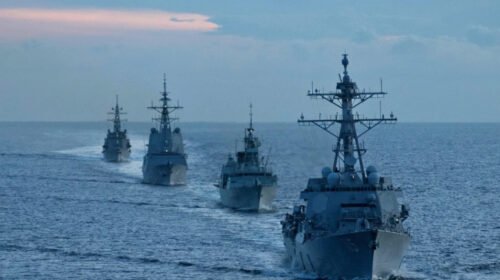
To protect sea lanes and critical infrastructure, the navy needs to know what is happening at sea. For this purpose, the German naval forces use aircraft such as the P-8A maritime patrol aircraft and soon the MQ-9B drones. This allows them to cover the largest possible sea areas, for example in the North Atlantic or the Baltic Sea.
Unmanned supplements manned
Manned and unmanned aircraft complement each other in this system. While the P-8A reaches a speed of approximately 900 kilometers per hour and has a high capacity for sensors and weapons, the MQ-9B can remain airborne for extended periods.
This is made possible by the unmanned aerial vehicle’s low weight. It also boasts a wingspan of over 20 meters and a length of only ten meters. This gives the drone excellent gliding characteristics, allowing the MQ-9B to stay airborne for up to 30 hours. In practice, however, factors such as weather, payload, and altitude influence the actual flight time for each mission.
See everything – above and below water
Although the MQ-9B has a lower payload capacity than a P-8A Poseidon, it can still carry over 2,000 kilograms of cargo to the operational area. The Navy’s drones are equipped with various sensors, including different cameras and radars for scanning the sea surface. They also carry canisters that can deploy sonar buoys. These allow the unmanned aircraft to detect underwater activity, such as the movement of submarines.
The sensor data is then sent to the ground control station, from which naval aviators control the MQ-9B. Other naval aircraft and ships will also be able to access the drone’s collected data – and, if necessary, units of allied forces as well. This will allow the MQ-9B to be used in anti-submarine warfare in the future. This is a significant advantage, as every additional sensor is extremely useful in the search for enemy submarines.
Preparations are underway
The eight MQ-9B drones and their associated ground control stations will be operated by Naval Air Wing 3 “Graf Zeppelin” in Nordholz. However, preparations are still required before the first drones can fly in 2028. Personnel need to be trained, and the necessary infrastructure needs to be established.
The German Armed Forces benefit from the fact that other partners are already using the MQ-9B system. This allows them to draw on the experience of allied armed forces – such as the British or the Belgians – to ensure the smoothest possible start to flight operations.