
Based in Northwood (United Kingdom), the NATO Maritime Centre for the Security of Critical Undersea Infrastructure (NMCSCUI) contributes to the security of sensitive underwater infrastructure.
Established in May 2024 and based at NATO’s Allied Maritime Command (MARCOM), the NMCSCUI is an information-sharing center for critical undersea infrastructure. This infrastructure is diverse, encompassing oil pipelines, oil platforms, and submarine electrical and communication cables. The center supports decision-making for deploying forces and coordinating actions that contribute to the security of this critical undersea infrastructure (CUI).
Close collaboration
NATO has been working for years to strengthen the security of critical infrastructure. Since 2022 and the emergence of hybrid activities aimed at destabilizing NATO interests, it has taken up the challenge of actively contributing to their protection.
This operational center works closely with the strategic center based at NATO headquarters in Brussels to coordinate efforts between Allies, partners, and the private sector. For France, it is the primary liaison with the authority responsible for seabed management within the Naval Staff (EMM).
Innovation
In line with NATO’s innovative approach, the NMCSCUI has recently integrated artificial intelligence capabilities to enhance data analysis, anticipate threats, and attribute them when necessary. NATO developed the advanced multi-domain awareness and insight with AI layering (MAINSAIL) platform to track ship movements and their interactions with underwater infrastructure. It uses satellite data and underwater sensors combined with artificial intelligence to improve real-time situational awareness, alert on potential threats, and replay events in the event of an incident. MAINSAIL thus helps the NMCSCUI and the NATO Shipping Center protect critical infrastructure by detecting and characterizing suspicious behavior as early as possible.
Direct support for operational activities
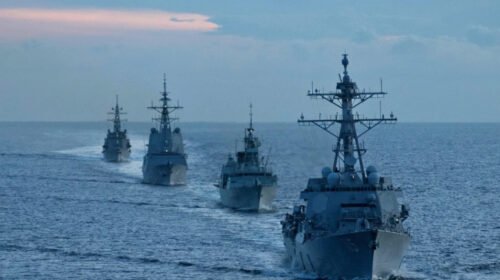
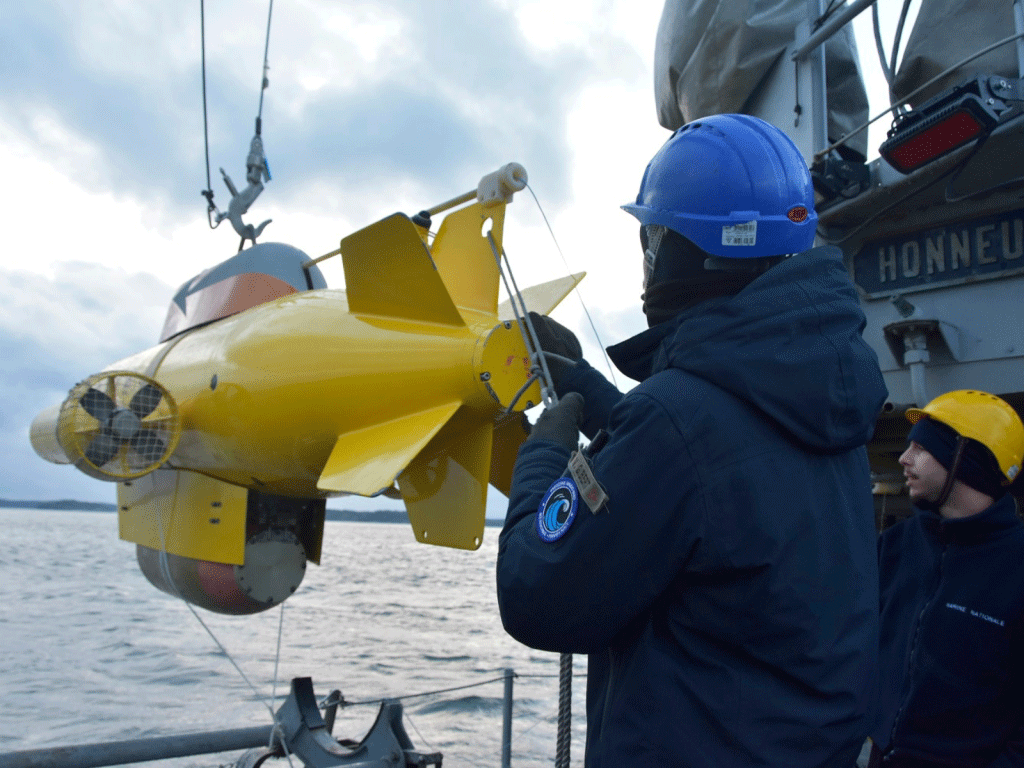
In January 2025, following multiple hybrid actions that damaged critical underwater infrastructure in the Baltic Sea, the military presence was reinforced during the Baltic Sentry mission, with a focus on monitoring critical underwater infrastructure (CUI). This multi-domain vigilance mission aims to improve maritime situational awareness in the Baltic Sea in order to deter and defend against attacks on CUI. The NATO Maritime Civil Security and Security Mission (NMCSCUI), in direct support of Baltic Sentry, assists NATO Allies in making decisions and coordinating actions related to the protection of critical underwater infrastructure. Surface vessels and ATL2 maritime patrol aircraft from the French Navy regularly contribute to the operation, enabling the NMCSCUI to enhance operational knowledge of the area and identify any hybrid actions that could pose a threat to critical underwater infrastructure in a timely manner.