

By Carolina Lorentzson
Royal Swedish Navy
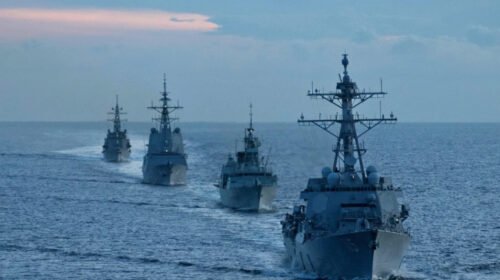
It is windy and the sea heave is felt in the ship, which periodically vibrates. The manoeuvring officer keeps course and speed against the wind direction according to the instructions given by the airport coordinator. Outside, the sound of a approaching helicopter can be heard. It’s almost time for landing. Three tons of helicopters will meet three thousand tons of ships. Another of 60 or so landings for this day completed during the intensive training of the airport staff.
A naval helicopter is an obvious part of all types of operations at sea, both for reconnaissance missions and to solve transports. The helicopter can also contribute to sea rescue both by being used in search but also by transporting injured people between ships.
“The Navy will have a whole range of different forces and more opportunities for action with an on-board helicopter. Above all, the helicopter is used as a forward reconnaissance resource, which thus extends the ship’s range and also allows the ship to act passively when the risk of being scouted itself is great,” says Ship Commander Thomas Zimmerman.
To ensure the function, naval ship crews have been drilled for a week in September on board HMS Carlskrona. It is the Naval Base that has the task of ensuring that the helicopter landing capability at sea within the Navy is maintained and also developed tactics together with the 3rd Helicopter Squadron.
“At most, there were about 60 landings per day during this year’s course. It is a lot of training that applies, in light and in the dark so that everyone involved has a spinal cord behavior and chooses to do the right thing under all different conditions,” says Håkan Ahrberg, who is in charge of the training at HMS Carlskrona.
During the practical part of the training that takes place on board, there are about forty people involved. Instructors from the Naval Base and the Naval Combat School train the groups of sailors and specialist officers so that they, through their roles, can get airports to function on board their respective ships. Working in the helicopter landing function is a side task in addition to the regular role you have on board. The 3rd Helicopter Squadron participates with a number of pilots and technicians who make sure to keep the helicopter in the air.
An ability also for the alliance
At present, it is HMS Carlskrona and Visby corvettes that have the airport capability in addition to other similar units in the alliance. For almost twenty years, Sweden has used NATO standards for naval military landing sites at sea, which means that helicopters have long been able to operate seamlessly. The Swedish sea-mobile helicopters are organized in the 3rd helicopter squadron in Ronneby and it is helicopter 15 that can be based on board the ships the Swedish Navy currently has at its disposal. Since joining NATO, the squadron has had more to do.
“We have flown in many operations since joining the alliance and we have landed on several allied ships. We maintain the capability by solving live tasks,” says Fredrik Elofsson, 3rd Helicopter Squadron.